
Finish carpentry in St. George and Washington County, Utah
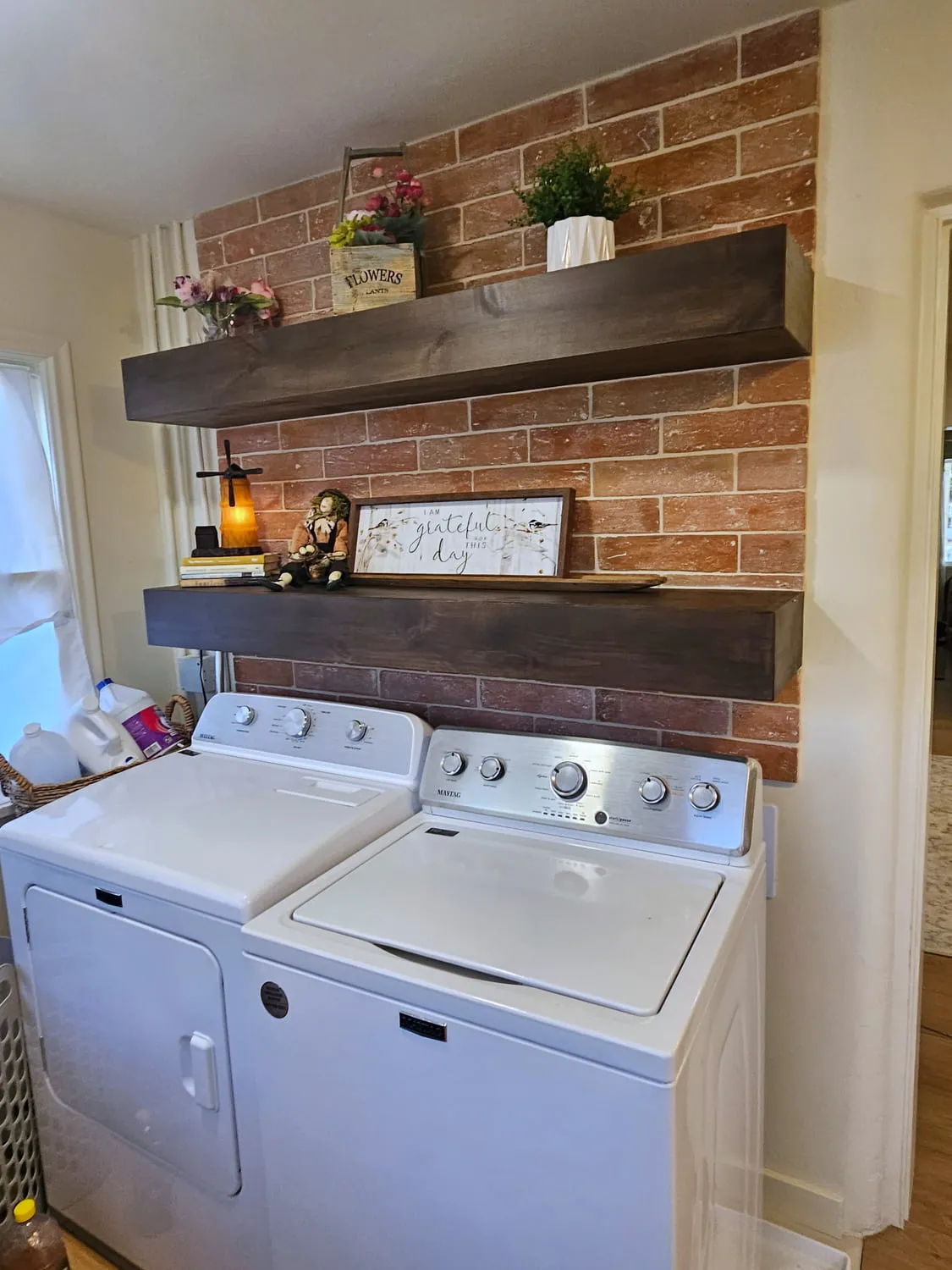
I. Noah Guy Handyman Services does finish carpentry in St. George and throughout Washington County, Utah — baseboard, door and window casing, crown moulding, fireplace mantels, floating shelves, built-ins and hanging doors. Joe Denter measures, cuts and installs the trim himself, so the person who quoted the miters is the person who cuts them.
What finish carpentry actually covers
Finish carpentry is the woodwork you see after everything else is done. In a Washington County house that usually means baseboard and shoe, door and window casing, crown moulding, a mantel, closet shelving, and the interior doors themselves.
It is measured differently from the rough work underneath it. Framing gets built to a quarter inch, because drywall covers it. Trim gets built to a sixteenth, because nothing covers it.
Why trim opens up in southern Utah specifically
St. George is one of the driest places in the country. Trim that arrived at the jobsite carrying more moisture than the house will hold gives that water up over the first year, shrinks slightly across its width, and pulls back from the miters. Painted joints crack along the caulk line. Stained joints show a dark hairline.
None of that means the trim was installed badly, and almost none of it needs replacement. The joint gets opened, reglued, pinned, filled and touched up.
Matching a profile that no longer exists
Older houses in Hurricane and old-town St. George frequently have trim profiles that no supplier still stocks. There are three honest options, in order of how often they work:
- Find a close current profile and put the transition where a door or a corner hides it.
- Build the profile up from two or three stock pieces — a flat stock plus a cap plus a shoe will reproduce a surprising number of older profiles.
- Run custom stock for a short length, which is worth it for a small, highly visible area and rarely worth it for a whole house.
What a mantel actually needs
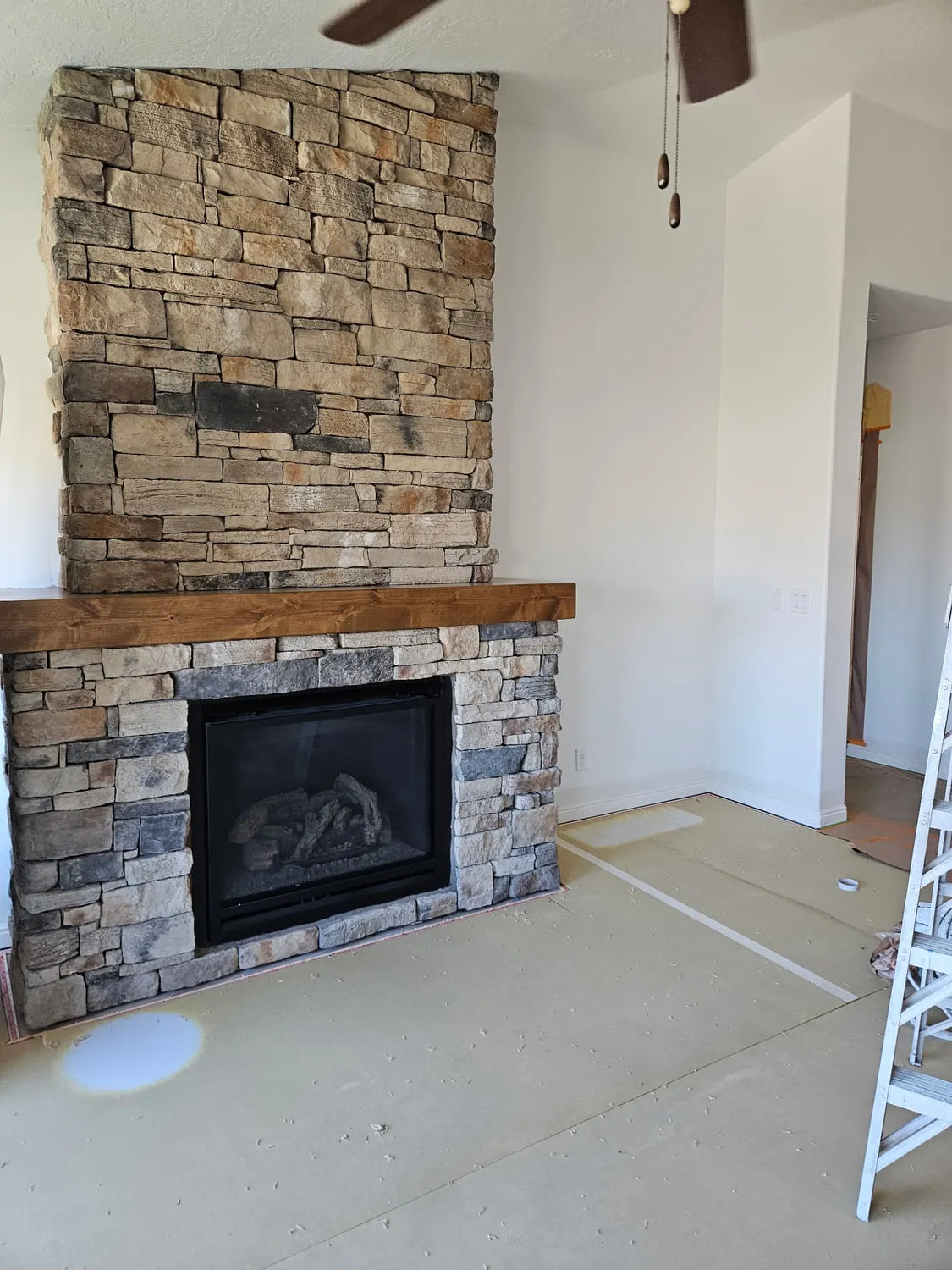
A mantel is a cantilever holding a heavy piece of timber off a wall, and the part that matters is the part nobody sees. On stone or thin brick it needs to be anchored into structure behind the veneer, not into the veneer. On a stud wall it needs to hit studs, and where it can’t, it needs blocking added before the surface goes back on.
That is why the sequence matters: a mantel decided on after the stone is set is a harder job than the same mantel decided on before.
Finish Carpentry — the real thing

Finish Carpentry — questions
What counts as finish carpentry, as opposed to framing?
Finish carpentry is everything you can see when the house is done — baseboard, casing, crown moulding, mantels, shelves, built-ins and doors. Framing is the structure underneath that gets covered up. The two need different tolerances: framing is measured to the quarter inch, finish work to the sixteenth, because a gap in finish work is a gap you look at every day.
Why are the corners of my baseboard opening up?
Because the wood shrank. Southern Utah is extremely dry, and trim that was installed at a higher moisture content gives up water and pulls back from the miter. It is a normal and repairable problem: the joint gets reglued and pinned, filled, and touched up. Replacing the whole run is almost never necessary.
Can you match trim in an older house where the profile is discontinued?
Usually, yes, one of three ways: find a current profile close enough that the difference dies at a transition, build the profile up from two or three stock pieces, or run a short length of custom stock. Which one makes sense depends on how much of the original is staying and how visible the junction is.
Do you paint the trim as well as install it?
Yes — filling, caulking, sanding and painting the trim is part of the job unless you would rather handle the paint yourself. Trim that is installed but not filled and caulked is not finished, so it is quoted as one piece of work.
How long does a room of new baseboard take?
One average bedroom, with the old base removed, the new base cut, coped and installed, then filled, caulked and painted, is most of a day for one person. A whole house is usually three to five days depending on how many rooms and how many outside corners.
Related
Tell me what needs doing.
Describe the job and send a photo if you have one. The person who reads it is the person who will do the work.